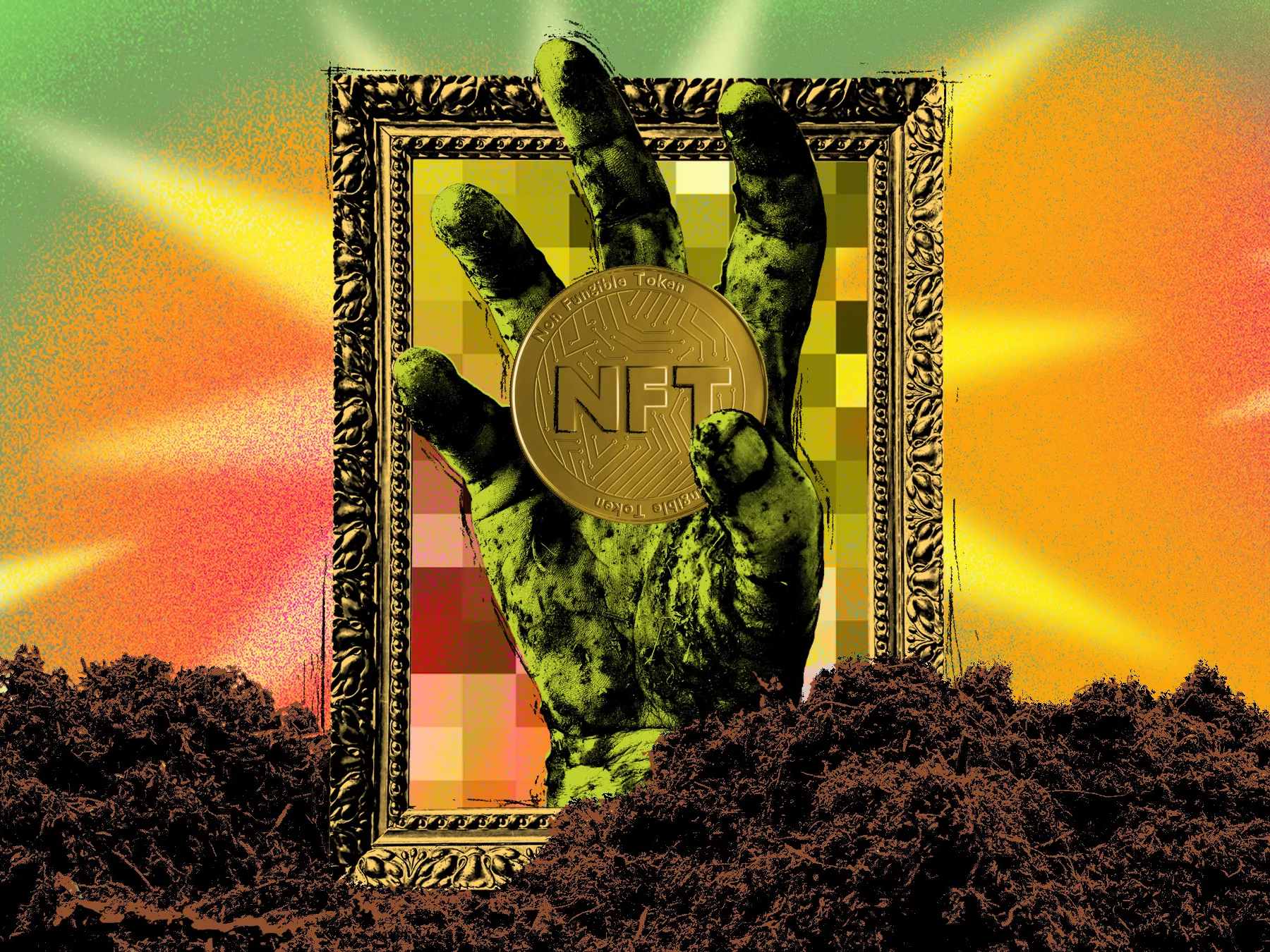
The NFT market has gone through hype cycles, crashes, reinventions, and regulatory scrutiny. What started as profile picture projects selling for millions has evolved into something more structured. In 2026, becoming an NFT trader is less about flipping random collections and more about understanding digital assets, communities, liquidity, and long term utility.
If you are serious about entering the NFT space this year, you need a strategy. This guide explains what NFT trading looks like in 2026, the skills required, how to start, and how to avoid common mistakes.
Understanding What NFTs Really Are in 2026
NFT stands for non fungible token. It represents ownership of a unique digital asset stored on a blockchain.
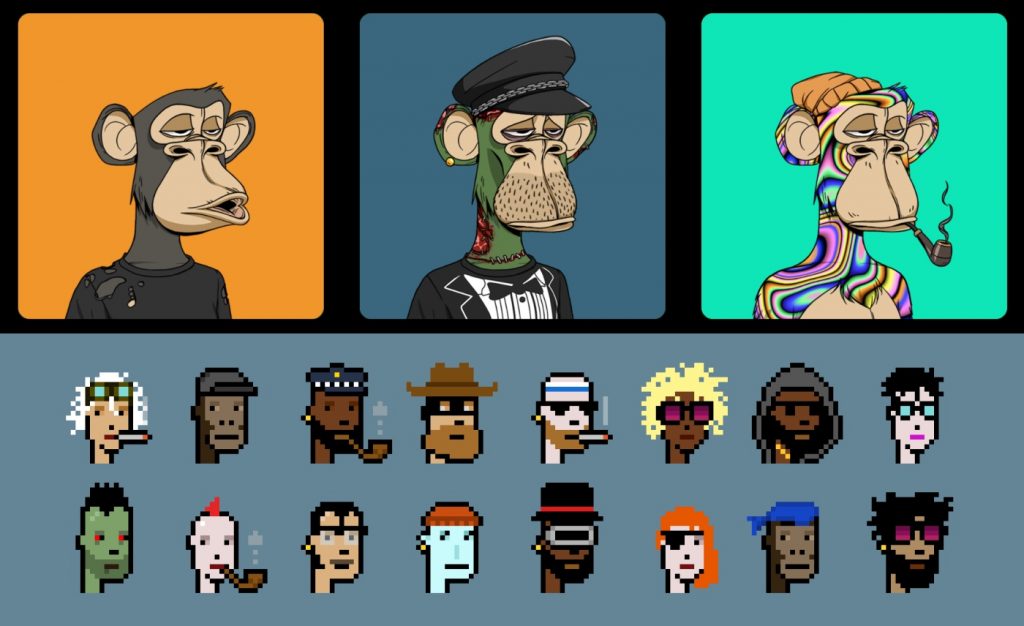
In 2021, most NFTs were:
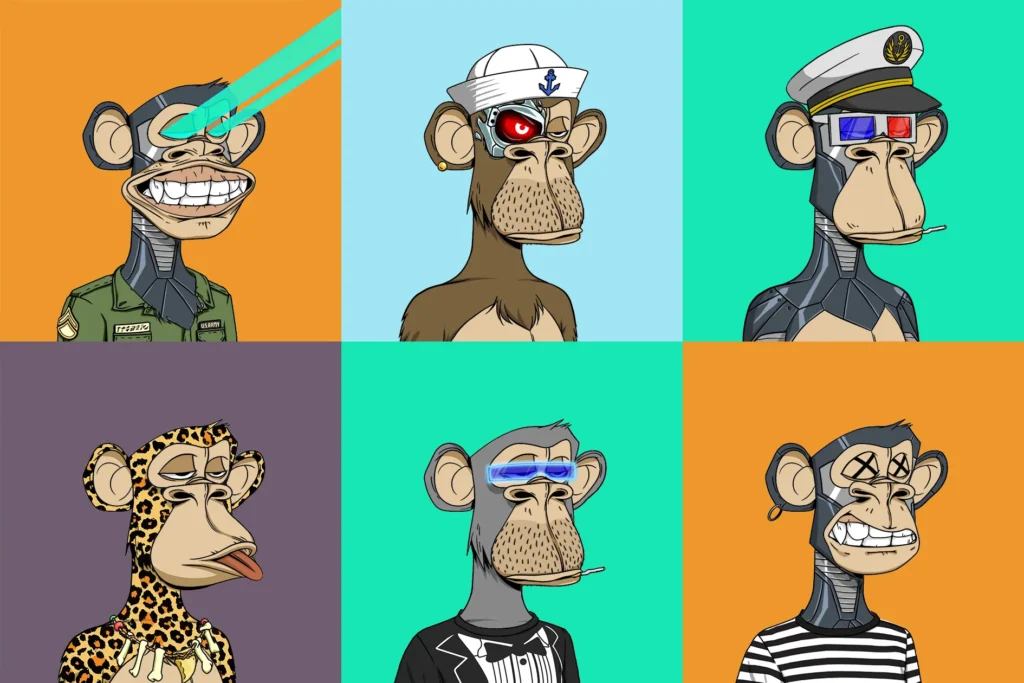
- Profile picture collections
- Art based speculation
- Hype driven projects
In 2026, NFTs have expanded into:
- Gaming assets
- Digital identity credentials
- Music rights
- Event passes
- Real estate tokenization
- Brand loyalty programs
Platforms like OpenSea and Blur are no longer just art marketplaces. They function as trading hubs with analytics, bidding systems, and professional tools.
NFT trading today is closer to digital asset trading than casual collecting.
Step 1: Learn the Foundations of Web3
Before putting money into NFTs, understand the basics:
- How blockchains work
- What smart contracts are
- Gas fees
- Wallet security
- Private keys and seed phrases
Most NFT trading still happens on blockchains like Ethereum, though alternatives like Solana have strong ecosystems.
You should know:
- How to set up a wallet
- How to fund it
- How to connect it to marketplaces
- How to verify contract authenticity
Without this foundation, you are vulnerable to scams.
Step 2: Set Up Your Trading Infrastructure
To become an NFT trader in 2026, you need the right tools.
1. Crypto Wallet
Use reputable wallets such as:
- MetaMask
- Phantom
Never share your seed phrase. Never sign unknown transactions.
2. Marketplace Accounts
Create accounts on:
- OpenSea
- Blur
- Chain specific marketplaces depending on where you trade
3. Analytics Tools
Professional traders use:
- NFT floor trackers
- Wallet tracking tools
- On chain analytics dashboards
These help you track:
- Volume spikes
- Whale activity
- Floor price changes
- Listing pressure
NFT trading in 2026 is data driven.
Step 3: Choose a Trading Strategy
There is no single way to trade NFTs. Here are common strategies.
1. Mint Flipping
Buy NFTs at mint price and sell quickly after listing.
This works if:
- You get early access
- The project has strong hype
- Demand exceeds supply
Risk: Many mints fail to sell out in 2026. Research is critical.
2. Floor Trading
Buy near the floor price of established collections and sell during short term price spikes.
This requires:
- Watching volume trends
- Understanding support and resistance levels
- Monitoring community sentiment
3. Rarity Sniping
Buy undervalued rare traits within a collection and resell at a premium.
You need:
- Rarity ranking tools
- Fast execution
- Knowledge of collector psychology
4. Long Term Holding
Some traders accumulate NFTs with:
- Strong brand partnerships
- Gaming integration
- Revenue sharing models
This is more investment oriented than pure trading.
Step 4: Learn Market Psychology
NFT markets move on:
- Hype cycles
- Influencer endorsements
- Twitter sentiment
- Community strength
If a large account promotes a collection, prices can spike within minutes.
In 2026, serious traders:
- Monitor social media trends
- Track Discord activity
- Watch wallet movements of experienced traders
Understanding crowd behavior is more important than technical knowledge alone.
Step 5: Manage Risk Properly
NFT trading is volatile.
Never:
- Invest money you cannot afford to lose
- Go all in on one collection
- Hold blindly during downturns
Good traders:
- Diversify across projects
- Take profits regularly
- Cut losses early
Liquidity is not guaranteed. Selling can take time.
Step 6: Build Information Advantage
In 2026, edge comes from information.
Ways to gain advantage:
- Join alpha groups
- Participate in NFT communities
- Attend Web3 events
- Follow experienced traders
Being early is everything in NFT markets.
However, avoid paid groups promising guaranteed flips. Many are simply recycling public information.
Step 7: Understand Regulations and Taxation
NFT taxation varies by country.
In some jurisdictions, NFT profits are:
- Treated as capital gains
- Considered business income
- Subject to crypto reporting rules
If you are trading at scale, consult a tax advisor.
Compliance is becoming stricter globally.
Step 8: Develop a Trading Routine
Professional NFT traders treat it like a business.
Daily activities may include:
- Checking floor prices
- Reviewing volume changes
- Monitoring upcoming mints
- Tracking wallet activity
- Listing and adjusting prices
Without structure, trading becomes gambling.
Step 9: Consider Capital Requirements
You do not need millions to start.
However:
- High quality collections often require significant entry capital
- Gas fees add up
- Mistakes can be costly
Start small. Learn with limited capital before scaling.
Common Mistakes Beginners Make
- Buying solely because influencers post about it
- Ignoring contract verification and falling for fake collections
- Holding too long during hype cycles
- Trading emotionally
- Not accounting for gas fees
NFT markets reward discipline and punish impulsive behavior.
Is NFT Trading Still Profitable in 2026
Yes, but it is harder than during the hype phase.
In 2021, almost any mint could pump.
In 2026:
- Competition is higher
- Tools are more advanced
- Traders are more informed
This means inefficiencies still exist, but they are smaller.
Success now requires:
- Research
- Speed
- Risk control
- Patience
Who Should Become an NFT Trader
NFT trading suits people who:
- Enjoy analyzing markets
- Can handle volatility
- Are comfortable with digital assets
- Have strong risk management skills
It is not suitable for those seeking stable, predictable income.
Final Thoughts
Becoming an NFT trader in 2026 is about professionalism, not hype.
You must:
- Understand blockchain fundamentals
- Use the right tools
- Develop a clear strategy
- Control risk
- Stay informed
The easy money phase is gone. What remains is a competitive digital asset market that rewards knowledge and discipline.
If approached seriously, NFT trading can still be a profitable opportunity. If treated casually, it quickly becomes an expensive lesson.
As with any emerging asset class, education and patience are your biggest advantages.